Avatar and Titanic are returing to the big screen in 4K HDR and High Frame Rate (HFR) very soon! “We’re bringing Avatar and Titanic back to the big screen, looking better in every way,” James Cameron recently said. “We will be presenting both films in 4K with high dynamic range [HDR] and have been working with Pixelworks’ TrueCut Motion platform to remaster the films in high frame rate, while keeping the cinematic look of the original.”


James Cameron’s Lightstorm Entertainment production company is working with the TrueCut Motion platform from Pixelworks. The goal is to remaster several films, including these two classics from the director, in 4K HDR resolution and HFR. “Why?” you might ask.


Because the higher brightness levels of HDR make judder more visible in some scenes. On panoramic shots with fast camera movements, judder can be distracting and hinder the viewers’ immersion.
What is HFR?
HFR stands for High Frame Rate, which means between 48 and 120 frames per second. Traditional cinema uses only 24 frames per second. Peter Jackson has already tested HFR technology on The Hobbit, which was shot in 48 frames/second. Ang Lee also used it for the film Gemini Man, shot in 120 fps.

However, the HFR versions of these movies received mixed feedback from viewers. Why? Because films shot in high frame rates have a camcorder or soap opera effect. The extreme image smoothing creates a distinctive appearance that is not what you would expect from a movie. Viewers are still used to the 24 frames/second format.
- Read the article: What is HFR (High Frame Rate)?
How TrueCut Motion could change the game
“TrueCut Motion is a much needed solution to help bring consistency of presentation across all screens,” said Curtis Clark, chairman of the ASC (American Society of Cinematographers). Indeed, this technique makes the picture smoother, particularly during tracking shots and fast scenes, while preserving a cinematographic aspect.

How is this possible? TrueCut Motion offers a scene-by-scene motion grading solution for post production. In concrete terms, the director can choose a display frequency according to each scene: 24, 48, 60, 96 or even 120 frames/second. Therefore, the film does not have a high frame rate throughout. It is only used during scenes that are likely to generate judder. In addition, the frame rate control provided by TrueCut Motion technology maintains the film’s cinematic look. Even on high frame rate shots.
HFR in theaters and at home
The HFR TrueCut Motion format is compatible with screenings at movies theaters, but also with watching movies at home. Metadata is added in post-production so that the playback device knows at what frequency to display each scene. Whether it’s in the movie theater with a digital projector, at home with a compatible TV or projector, or on the go on a smartphone or computer.
Movies shot in HFR with TrueCut Motion technology will automatically display at the correct frame rate without requiring any adjustments from users. So there’s no more need for motion interpolation technology in TVs. No more need for TV manufacturers to compete with one another regarding the picture smoothness index. Most importantly, the movies will be delivered while maintaining the filmmakers’ artisitc intent, as is the case with FilmMaker and IMAX Enhanced modes.
- Check out the guide “How to benefit from the Filmmaker Mode”
Check out the guide: “How to Enjoy IMAX Enhanced Immersive Cinema”
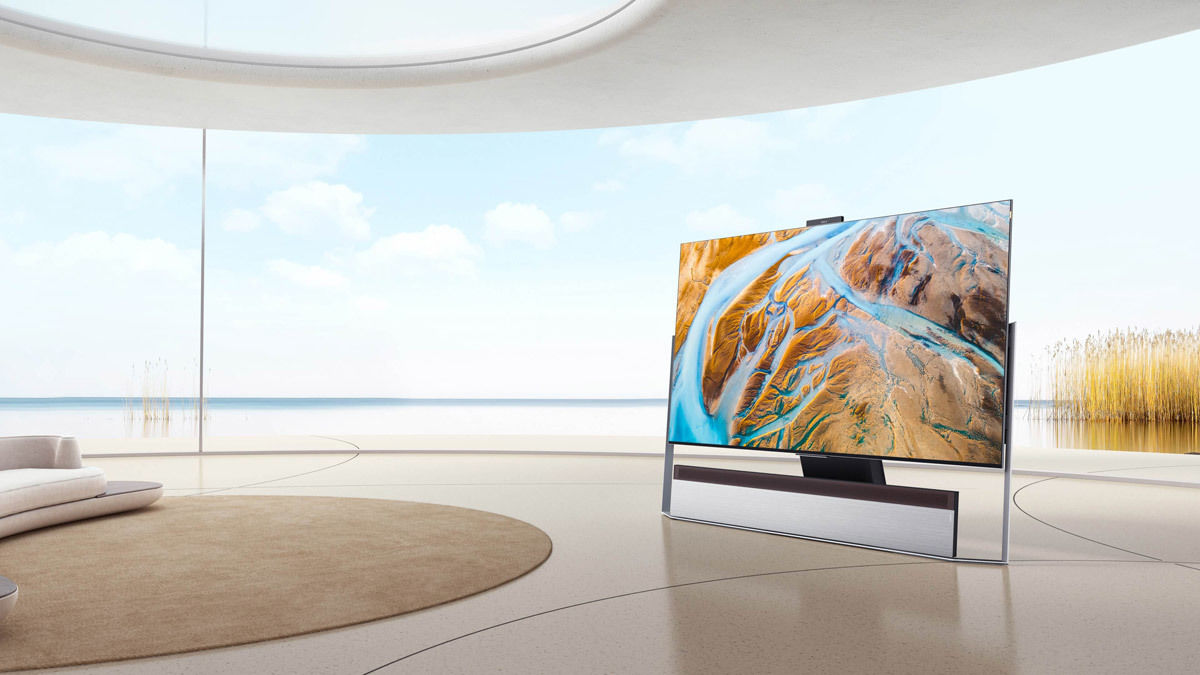
Among TV manufacturers, TCL has already partnered with Pixelworks to integrate TrueCut Motion technology into its TVs. This should start with the next 2022 models sold in North America before being extended to other continents.
Will HFR films become the norm thanks to this technology? If the promise of maintaining the cinematic aspect is kept, this may well be the case. Provided that more and more movie theaters are equipped with compatible projectors. And also provided that TV and projector manufacturers adopt this technology quickly…
Most current TVs are compatible with variable refresh rates for video games (VRR). They are therefore technically capable of handling a variable frame rate. It remains to be seen if TrueCut Motion technology will just require a TV software update or if a whole new processor is needed…


