The iPhone 15 is finally official, and with it comes a major change: the end of the Lightning port. Under pressure from the EU, it is now being replaced by a universal USB-C connector, which has become the new standard for mobile devices. This is a historic change for Apple, burying the Lightning standard once and for all after 11 years of service.
Lightning port: from revolution to disillusionment
In 2012, Apple inaugurated the Lightning port with the release of the iPhone 5. When it was launched, this connector was revolutionary, particularly because of its symmetrical design. Four years later, with the iPhone 7, Apple did away with the mini-jack output and imposed the Lightning port as the sole connector on its iDevices. However, the USB-C port has since made its appearance and is beginning to be democratized on various mobile devices. As a result, Apple finds itself increasingly isolated, offering a closed software and hardware ecosystem. A problem that the new iPhone 15 intends to solve by being the brand’s first model to feature a USB-C port.

iPhone 15 with USB-C: a forced change
For some years now, Apple has been under pressure from Europe to harmonize charging ports. Although the manufacturer has resisted for a long time, it is now obliged to follow new regulations that will come into force from 2024. The latter will require all manufacturers to adopt a universal charging port for smartphones, tablets, portable speakers, headphones and earphones, and this will be extended to laptops by 2026. The iPhone 15 thus becomes the brand’s first smartphone to use a USB-C port shared with Android smartphones and other mobile devices.

iPhone 15 with USB-C: the end of Apple-certified accessories?
In 2015 with the MacBook Pro, Apple became the first manufacturer in the world to exclusively integrate USB-C ports on a laptop. It then adapted this format to the iPad. However, the Cupertino-based company has always been reluctant to comply with the universal connector standard for its iPhones, since it derives significant revenue from its proprietary Lightning port.
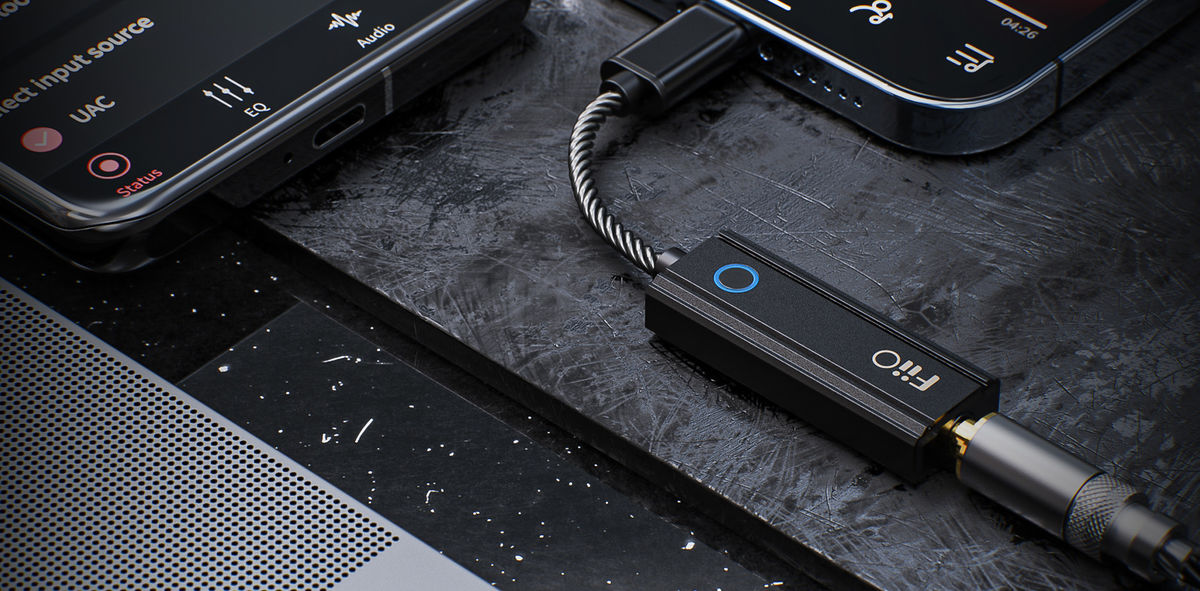
This exclusivity not only gives the brand a monopoly on compatible cables and accessories, but also enables it to collect royalties from third-party manufacturers who offer “Made for iPhone” equipment such as the Astell&Kern HC2, Fiio KA1-Lightning and FiiO KA5 DACs. From now on, any charger, USB cable or USB accessory can be used with an iPhone! The shortfall could be substantial, since according to Apple figures from last year, the Lightning port was present on over a billion devices worldwide.
iPhone 15 with USB-C: what are the advantages?
In addition to optimal compatibility with chargers and cables for other portable equipment, the integration of a USB-C port on iPhones also brings significant improvements. First of all, USB-C offers a much higher data rate than Lightning. In comparison, Apple’s Lightning port offers a maximum data rate of 480 MB/s versus over 40 Gbit/s for USB 4.0 Type C. Not only can data be transferred faster, but it also increases fast charging capabilities.
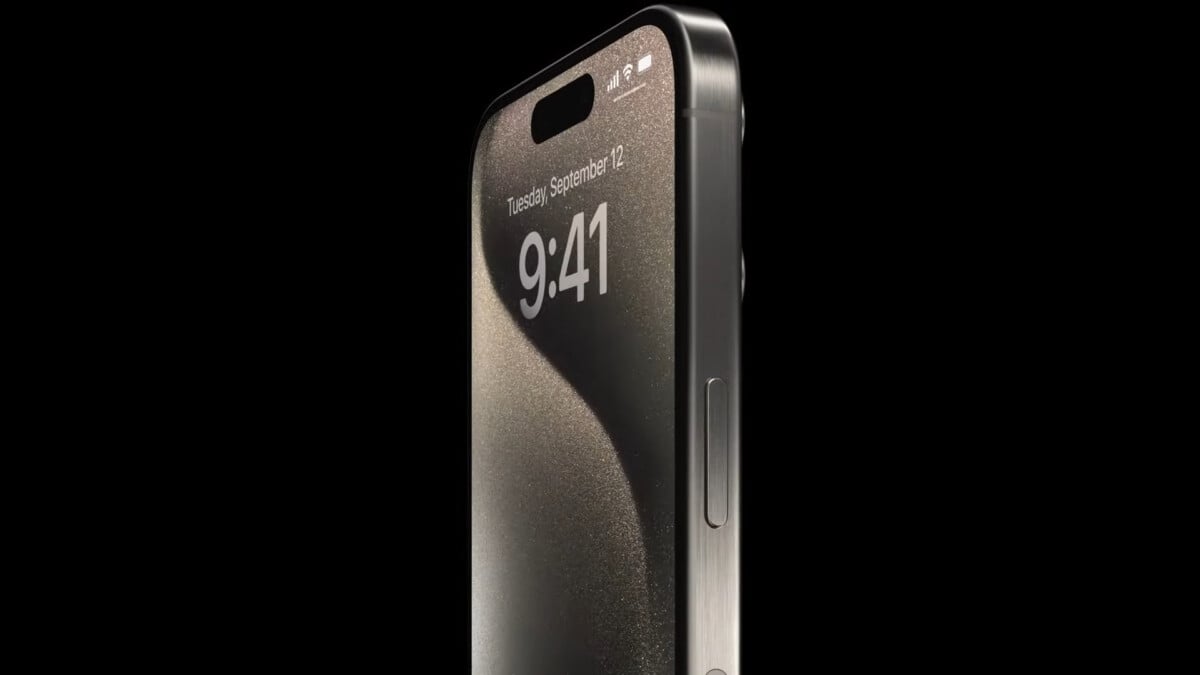
With the iPhone 15, USB-C officially becomes the universal connector for all mobile equipment. This facilitates the use and recharging of devices, using a single connector for all needs. You can find out even more about USB-C in our guide: USB-C: the future universal audio and video connector.


